Reading time 4 min.
Plus Ultra signs its first Collective Bargaining Agreement for Cabin Crew
01/12/2025
The company’s president and the president of SITCPLA have signed the agreement, which will remain in force until 2028.
Reading time 4 min.
The company’s president and the president of SITCPLA have signed the agreement, which will remain in force until 2028.
The airline has reached an agreement to sign its first Collective Bargaining Agreement for Cabin Crew, after a negotiation process that lasted nearly two years due to the lack of precedents.
The new labor framework will be in force for three years, until January 2028, although it takes effect from February 2024. According to the company, it represents “a key step to strengthen the airline’s competitiveness, operational stability, and the quality of employment for Plus Ultra’s largest employee group.”
Negotiations with the Independent Airline Cabin Crew Union (SITCPLA) took place in a context marked by post-pandemic recovery, competitive pressure, and internal transformations necessary to consolidate the growth of Plus Ultra Líneas Aéreas, which has just celebrated its first ten years of activity.
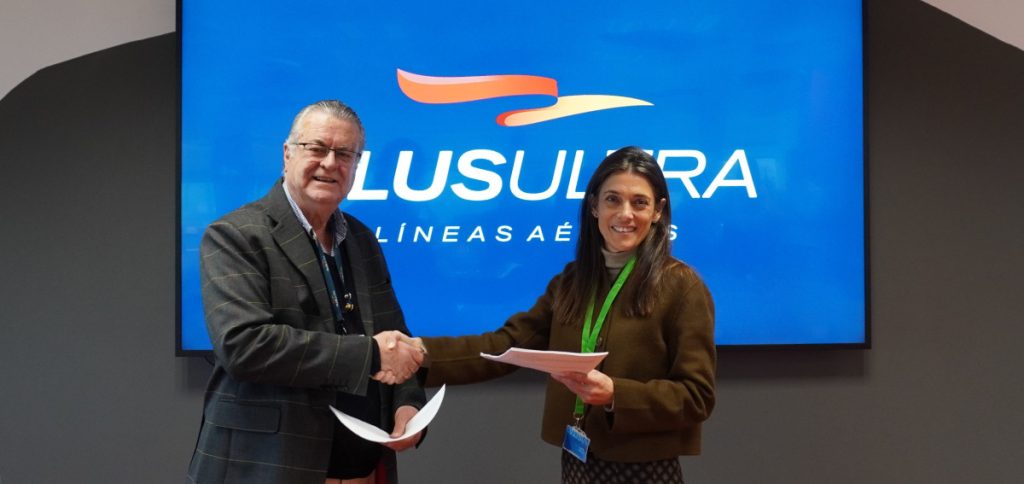
The final text, signed by the company’s president, Julio Martínez Sola, and SITCPLA president Laura Gil, includes salary items not previously considered, such as flight-hour pay, improvements in working conditions adapted to the market, progressive compensation elements for per diems and “reserve duties,” the introduction of an allowance for positioning periods longer than 21 days, and a clearer organizational structure that will allow for optimized operations and support professional development for cabin crew staff.
In addition, the agreement covers other aspects related to:
The company’s president, Julio Martínez Sola, highlighted the value of the agreement as “another step in Plus Ultra’s process of maturity and consolidation in the market, and a firm commitment to the people who attend to passengers on our flights every day. The agreement brings peace of mind, clarity, and strengthens internal cohesion to continue the company’s expansion and growth.”
“It is an agreement,” Martínez Sola continued, “that provides legal certainty, stability, and recognition to a workforce that has spent years without an instrument specifically adapted to its reality. This agreement represents a significant step forward in rights and professional development for cabin crew members.”
Stay informed about all the latest news from our company.